With Critical Illness Health Insurance Plans at the forefront, this paragraph opens a window to an amazing start and intrigue, inviting readers to embark on a storytelling filled with unexpected twists and insights.
Critical illness health insurance plans provide a safety net for individuals facing serious health conditions, offering financial support during challenging times. This article explores the key aspects of these plans, from coverage details to the impact on healthcare access and costs.
Critical Illness Health Insurance Plans
Critical illness health insurance plans are designed to provide financial protection in the event of a serious illness diagnosis. These plans typically offer a lump sum payout upon diagnosis of a covered critical illness, which can help cover medical expenses, loss of income, and other related costs.
Common Critical Illnesses Covered
- Cancer
- Heart Attack
- Stroke
- Organ Transplant
- Kidney Failure
Importance of Having Such Insurance Coverage
Critical illness health insurance plans are important because they provide a safety net in case of a major health crisis. They can help alleviate the financial burden associated with expensive treatments and allow individuals to focus on their recovery without worrying about the cost. Having this coverage can also provide peace of mind to policyholders and their families, knowing that they are financially protected in the face of a critical illness.
Healthcare Access
Improved access to healthcare is a crucial benefit of critical illness health insurance plans. These plans play a significant role in ensuring individuals can receive timely medical treatment when faced with a serious health condition.
Enhancing Timely Medical Treatment
Critical illness health insurance plans help individuals access timely medical treatment by providing financial support for expensive procedures, medications, and therapies. This can prevent delays in seeking necessary care and ensure that individuals can receive treatment promptly, increasing their chances of recovery.
- Insurance coverage can help individuals afford regular health check-ups and screenings, leading to early detection of potential health issues.
- In cases where immediate treatment is required, insurance plans can cover the costs of hospitalization, surgeries, and other medical interventions without individuals having to worry about the financial burden.
- Access to specialists and specialized treatment facilities is also facilitated through these insurance plans, ensuring that individuals receive the best possible care for their specific medical condition.
Addressing Barriers to Healthcare Access
Despite the availability of healthcare services, barriers such as high treatment costs, lack of insurance coverage, and limited healthcare facilities can hinder individuals from accessing timely medical care. Critical illness health insurance plans can help address these barriers by providing financial assistance and support when individuals need it the most.
- By covering a wide range of medical expenses, insurance plans can alleviate the financial burden on individuals and their families, making it easier for them to seek necessary treatment.
- Insurance plans also offer access to a network of healthcare providers, ensuring that individuals can receive quality care without delays or obstacles.
- With comprehensive coverage, critical illness health insurance plans empower individuals to make informed decisions about their healthcare and seek treatment without worrying about the associated costs.
Healthcare Costs
Critical illnesses can have a significant impact on healthcare costs, as they often require expensive treatments, medications, and ongoing care. The financial burden of these costs can quickly add up, leading to stress and strain on individuals and families.Critical illness health insurance plans can help mitigate these financial burdens by providing coverage for medical expenses related to specific critical illnesses.
These insurance plans typically offer lump-sum payouts upon diagnosis of a covered illness, which can be used to cover medical bills, lost income, or any other expenses that may arise during treatment and recovery.
Cost-Saving Benefits of Critical Illness Health Insurance Plans
- Financial Protection: Critical illness insurance provides a financial safety net, ensuring that individuals and families are not overwhelmed by the high costs of treatment.
- Supplemental Coverage: These plans can complement existing health insurance coverage, filling in gaps and covering expenses that may not be included in traditional health plans.
- Flexible Use of Funds: The lump-sum payout from a critical illness policy can be used as needed, allowing policyholders to allocate funds where they are needed most.
- Preventive Care Benefits: Some critical illness insurance plans offer benefits for preventive screenings and wellness programs, helping to detect potential health issues early and reduce the risk of developing a critical illness.
Healthcare Providers
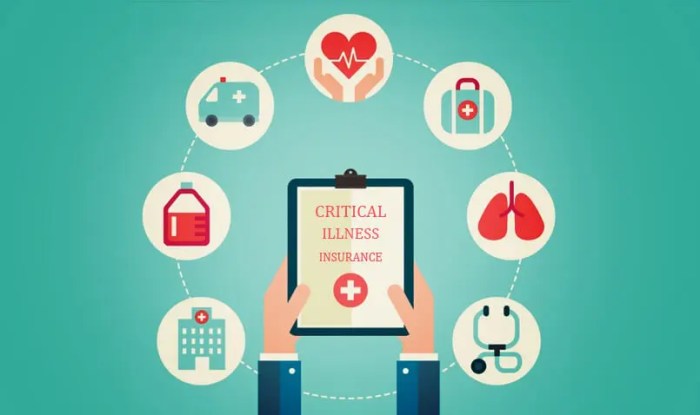
In the realm of critical illness health insurance plans, healthcare providers play a crucial role in ensuring that policyholders receive the necessary medical care when faced with a serious illness. These providers can include hospitals, doctors, specialists, and other healthcare professionals who are involved in the treatment and management of the illness.
Influence on Healthcare Provider Choice
When individuals opt for critical illness health insurance plans, they may have the flexibility to choose their healthcare providers. This can be advantageous as it allows policyholders to select providers who specialize in treating their specific illness or have a reputation for providing high-quality care. The insurance plan may have a network of preferred providers with whom they have negotiated rates, making it more cost-effective for policyholders to seek treatment from these providers.
Role in Claiming Benefits
Healthcare providers play a vital role in the process of claiming benefits under critical illness health insurance plans. They are responsible for documenting the diagnosis, treatment, and costs associated with the illness, which are essential for the insurance company to process the claim. Providers must adhere to the guidelines set forth by the insurance plan to ensure that claims are submitted accurately and promptly.
Additionally, they may need to communicate with the insurance company to provide any additional information or clarification required for the claim.
Health Insurance Policies
When it comes to critical illness health insurance policies, there are key features that policyholders should consider before making a decision. These features can vary depending on the insurance provider and the specific plan chosen.
Key Features of Critical Illness Health Insurance Policies
- Coverage for a specific list of critical illnesses, such as cancer, heart attack, stroke, and organ transplants.
- Lump-sum payout upon diagnosis of a covered illness, regardless of medical expenses incurred.
- No requirement for hospitalization to receive benefits.
- Renewability options to ensure coverage continues even after a claim is made.
- Option to add riders for additional coverage, such as disability income or long-term care benefits.
Comparison of Different Policy Options
There are various policy options available in the market, each with its own set of benefits and limitations. It is essential for policyholders to compare these options to find the most suitable plan for their needs.
- Basic Plans: Offer coverage for a limited number of critical illnesses at a lower premium.
- Comprehensive Plans: Provide coverage for a wide range of critical illnesses and often include additional benefits like outpatient treatments and wellness benefits.
- Top-up Plans: Allow policyholders to increase their coverage amount beyond the sum insured in their primary health insurance policy.
Making Informed Decisions
Policyholders can make informed decisions when selecting a plan by considering the following factors:
- Assessing personal health needs and risks to determine the appropriate coverage amount.
- Reviewing the list of covered critical illnesses and exclusions to understand the scope of coverage.
- Comparing premiums, deductibles, and co-payments to find a plan that fits within their budget.
- Checking the claim process and settlement ratio of the insurance provider to ensure smooth claims experience.
Health Records
Maintaining accurate health records is crucial when applying for critical illness health insurance. These records provide valuable information about your medical history, current health status, and any pre-existing conditions that may impact your coverage.
Importance of Health Records
- Health records are used by insurance companies during the underwriting process to assess your risk profile and determine the appropriate premium for your policy.
- Accurate health records help insurance providers make informed decisions about coverage and potential exclusions based on your medical history.
- Having organized health records can expedite the application process and ensure that you receive the coverage you need in a timely manner.
Underwriting Process
- Insurance underwriters review your health records to evaluate the likelihood of you developing a critical illness in the future.
- Factors such as age, medical history, lifestyle habits, and family medical history are taken into consideration during the underwriting process.
- Incomplete or inaccurate health records can lead to delays in processing your application or result in the denial of coverage.
Tips for Organizing Health Records
- Keep all medical bills, test results, doctor’s notes, and prescription information in a secure and easily accessible location.
- Consider using electronic health record (EHR) systems to store and manage your health information digitally.
- Update your health records regularly to ensure that all information is current and accurate.
- Make copies of important documents and store them in a safe place in case of emergencies.
Health Screening
Regular health screenings play a crucial role in the context of critical illness health insurance. These screenings help in early detection of potential health issues, allowing for timely intervention and treatment. This proactive approach not only improves health outcomes but can also impact insurance coverage significantly.
Impact of Pre-existing Conditions
Pre-existing conditions can have a notable impact on insurance coverage for critical illness health insurance plans. Insurance providers may impose restrictions or exclusions related to pre-existing conditions, affecting the scope of coverage and benefits. It is essential for individuals to disclose any pre-existing conditions accurately while applying for health insurance to avoid complications later on.
Significance of Regular Health Screenings
Regular health screenings are essential for the early detection of critical illnesses such as cancer, heart disease, and diabetes. Detecting these conditions in their early stages can lead to more effective treatments and better outcomes. Additionally, timely screenings can help individuals make necessary lifestyle changes to reduce their risk of developing serious health issues in the future.
In conclusion, Critical Illness Health Insurance Plans play a crucial role in safeguarding individuals against the financial burdens associated with severe medical conditions. By understanding the coverage options, benefits, and importance of maintaining accurate health records, individuals can make informed decisions to protect their well-being and financial stability.
Helpful Answers
What are the common critical illnesses covered by these plans?
Common critical illnesses covered by these plans include cancer, heart attack, stroke, and organ transplants.
How do critical illness health insurance plans improve healthcare access?
These plans improve healthcare access by providing financial support for timely medical treatment, reducing barriers to necessary care.
What cost-saving benefits are offered by critical illness health insurance plans?
Cost-saving benefits may include coverage for medical expenses, treatments, and rehabilitation services related to critical illnesses.


