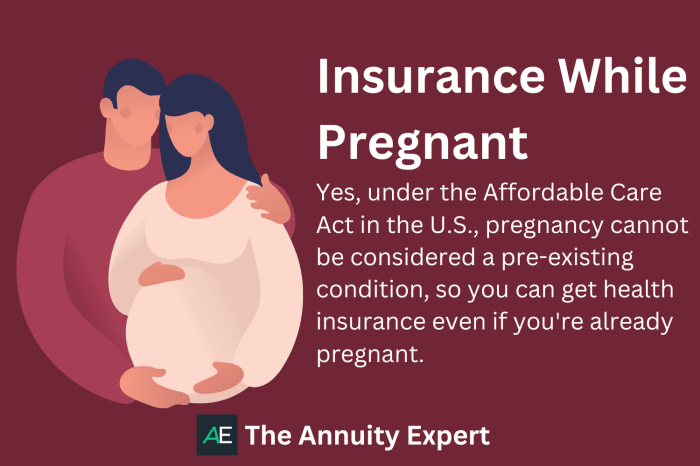
Embarking on the journey of Health Insurance for Pregnant Women, this introductory paragraph aims to pique the readers’ interest and provide a glimpse into the crucial aspects of ensuring access to essential healthcare during pregnancy.
Exploring the various facets of healthcare access, costs, providers, insurance coverage, policies, health records, and screenings specific to pregnant women, this topic delves into the pivotal role of health insurance in safeguarding the well-being of expectant mothers.
Healthcare Access for Pregnant Women
Access to healthcare during pregnancy is crucial for the well-being of both the mother and the baby. Prenatal care allows healthcare providers to monitor the progress of the pregnancy, detect any potential issues early on, and provide necessary interventions to ensure a healthy outcome.
Barriers to healthcare access, such as lack of insurance coverage, financial constraints, transportation issues, and limited availability of healthcare providers, can have detrimental effects on pregnant women. Without adequate access to prenatal care, women may miss important screenings, tests, and treatments that could impact the health of both themselves and their babies.
Initiatives to Improve Healthcare Access for Pregnant Women
- Medicaid Expansion: Expanding Medicaid coverage to include more low-income pregnant women ensures access to essential prenatal care services without financial burden.
- Prenatal Care Coordination Programs: These programs help pregnant women navigate the healthcare system, connect with resources, and receive comprehensive care throughout their pregnancy.
- Mobile Clinics and Telehealth Services: Bringing healthcare services directly to underserved areas through mobile clinics or offering telehealth options can improve access for pregnant women in remote locations.
- Community Health Worker Programs: Training community health workers to provide support, education, and guidance to pregnant women can help bridge the gap in healthcare access, especially for marginalized populations.
Healthcare Costs for Pregnant Women
Managing healthcare costs during pregnancy is essential for ensuring the well-being of both the mother and the baby. Prenatal care and childbirth expenses can vary significantly based on various factors, including insurance coverage.
Financial Implications of Prenatal Care and Childbirth
Seeking prenatal care throughout pregnancy is crucial for monitoring the health of the mother and the baby. This includes regular doctor visits, ultrasounds, blood tests, and other necessary medical procedures. The costs can add up, especially for women without insurance coverage.
Variation in Healthcare Costs Based on Insurance Coverage
Having health insurance can help alleviate the financial burden of prenatal care and childbirth. Insurance coverage can significantly reduce out-of-pocket expenses for doctor visits, hospital stays, delivery, and postnatal care. However, the extent of coverage and co-pays can vary depending on the insurance plan.
Tips for Managing Healthcare Costs During Pregnancy
- Research and compare insurance plans to find the best coverage for prenatal care and childbirth.
- Understand your insurance benefits and coverage limits to avoid unexpected costs.
- Consider enrolling in programs like Medicaid or CHIP if you are eligible for additional financial assistance.
- Discuss payment plans or discounts with healthcare providers to manage costs effectively.
- Explore community resources and support groups that offer assistance with healthcare expenses for pregnant women.
Healthcare Providers for Pregnant Women
Pregnancy is a crucial time in a woman’s life, and having access to the right healthcare providers is essential for ensuring a healthy pregnancy and delivery.
Key Healthcare Providers
- Obstetricians: Obstetricians are medical doctors who specialize in pregnancy, childbirth, and postpartum care. They are trained to handle high-risk pregnancies and complications that may arise during gestation.
- Midwives: Midwives are healthcare professionals who provide prenatal care, assist during labor and delivery, and offer postpartum support. They often focus on providing personalized, holistic care to pregnant women.
- Doulas: Doulas are trained professionals who provide physical, emotional, and informational support to pregnant women before, during, and after childbirth. They do not provide medical care but offer valuable support during the birthing process.
Roles of Obstetricians, Midwives, and Doulas
- Obstetricians: Obstetricians typically oversee the medical aspects of pregnancy, including conducting ultrasounds, monitoring fetal development, and managing any complications that may arise. They are trained to perform medical interventions such as cesarean sections.
- Midwives: Midwives focus on providing personalized care to pregnant women, often emphasizing natural childbirth and non-invasive interventions. They offer emotional support, education, and advocacy throughout the pregnancy journey.
- Doulas: Doulas provide continuous emotional and physical support to pregnant women during labor and delivery. They help women feel empowered and informed throughout the birthing process and offer comfort measures to reduce stress and pain.
Importance of Establishing a Healthcare Team
During pregnancy, it is crucial to establish a healthcare team that can provide comprehensive care and support. By having a team of healthcare providers that includes obstetricians, midwives, and doulas, pregnant women can receive a well-rounded approach to their prenatal care. Each member of the team plays a unique role in ensuring the health and well-being of both the mother and the baby, creating a supportive environment for a positive pregnancy experience.
Health Insurance Coverage for Pregnant Women
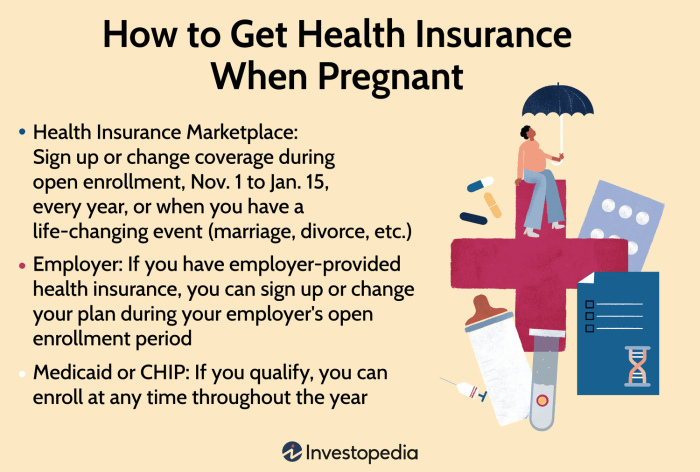
Having health insurance coverage during pregnancy is crucial to ensure that expectant mothers receive the necessary medical care and support throughout this important time. Health insurance can help cover the costs of prenatal visits, ultrasounds, lab tests, delivery, and postpartum care, reducing financial burden and ensuring access to quality healthcare.
Common Health Insurance Options for Pregnant Women
- Employer-Sponsored Health Insurance: Many women are covered under their employer’s health insurance plan, which may offer maternity coverage as part of the benefits package.
- Medicaid: A state and federally funded program that provides health coverage for low-income individuals, including pregnant women who meet eligibility requirements.
- Marketplace Health Insurance Plans: Women who do not qualify for Medicaid may be able to purchase a health insurance plan through the Health Insurance Marketplace, where they can compare options and choose a plan that includes maternity coverage.
Tips for Choosing the Right Health Insurance Plan for Pregnancy
- Check Coverage Details: Review the benefits and coverage offered by different health insurance plans to ensure they include prenatal care, delivery, and postpartum services.
- Consider Costs: Compare premiums, deductibles, copayments, and out-of-pocket expenses to determine the overall cost of each plan.
- Network of Providers: Make sure the health insurance plan includes a network of healthcare providers, hospitals, and specialists that meet your needs and preferences.
- Prescription Drug Coverage: Check if the plan covers prescription medications that may be needed during pregnancy or after delivery.
- Maternity Care Coordination: Some health insurance plans offer maternity care coordination services to help pregnant women navigate their healthcare needs and access resources for a healthy pregnancy.
Health Policies Impacting Pregnant Women
Government policies play a crucial role in determining the access to prenatal care for pregnant women. These policies can greatly impact the healthcare coverage and services available to expectant mothers, ensuring their well-being and that of their unborn child.
Maternity Leave Policies
- Maternity leave policies can influence the amount of time pregnant women can take off work before and after giving birth, allowing them to prioritize their health and that of their baby.
- Some countries offer paid maternity leave, ensuring financial support for women during this critical time.
- Recent changes in maternity leave policies have aimed to increase the duration and benefits to better support pregnant women.
Healthcare Funding Policies
- Government funding for healthcare services can impact the availability and affordability of prenatal care for pregnant women.
- Policies that allocate resources to maternal health programs ensure that women have access to necessary screenings, check-ups, and treatments.
- Changes in healthcare funding policies can lead to improvements or limitations in the quality of care provided to pregnant women.
Insurance Coverage Policies
- Health insurance policies determine the extent of coverage for prenatal care, including doctor visits, ultrasounds, lab tests, and delivery services.
- Government regulations on insurance coverage ensure that pregnant women are not denied essential healthcare services due to pre-existing conditions or high costs.
- Recent policy changes have aimed to expand insurance coverage for pregnant women, reducing financial barriers to accessing necessary care.
Health Records and Pregnancy
Maintaining accurate health records during pregnancy is crucial for ensuring the well-being of both the mother and the baby. These records provide valuable information for healthcare providers to track prenatal care, monitor the health of pregnant women, and make informed decisions regarding their treatment.
Importance of Health Records
- Health records help healthcare providers track the progress of the pregnancy, identify any potential risks or complications, and ensure timely interventions if needed.
- Accurate health records enable continuity of care by allowing different healthcare professionals involved in the pregnancy to have access to the same information.
- Health records serve as a reference point for future pregnancies, providing insights into any previous issues or conditions that may impact subsequent pregnancies.
Organizing and Storing Health Records
- Keep all prenatal care records, test results, ultrasound reports, and medication information in one place for easy access.
- Consider using a dedicated folder or digital storage system to maintain and organize health records throughout the pregnancy.
- Make sure to update the health records regularly and bring them to all prenatal appointments to facilitate communication with healthcare providers.
Health Screening during Pregnancy
Health screenings during pregnancy are crucial to ensure the well-being of both the mother and the baby. These screenings help in early detection of any potential issues and allow for timely intervention to prevent complications.
Importance of Health Screenings
Regular health screenings play a vital role in monitoring the health of pregnant women and their babies. They help healthcare providers identify any risks or abnormalities early on, enabling them to provide appropriate care and support throughout the pregnancy.
Common Screenings and Tests
- Blood pressure monitoring: Regular checks to detect any signs of hypertension, which can lead to preeclampsia.
- Blood tests: To check for anemia, infections, blood type, and other conditions that may affect the pregnancy.
- Ultrasound: To monitor the baby’s growth and development, as well as identify any potential abnormalities.
- Glucose screening: To test for gestational diabetes, a condition that can develop during pregnancy.
Early Detection and Prevention
Health screenings help in the early detection of conditions such as gestational diabetes, preeclampsia, and infections, among others. Early diagnosis allows healthcare providers to take necessary steps to manage these conditions and prevent complications that could harm the mother or the baby.
Concluding our discussion on Health Insurance for Pregnant Women, it is evident that securing adequate health insurance coverage is paramount in facilitating optimal care and support for expectant mothers. From managing healthcare costs to choosing the right insurance plan, the journey of pregnancy is made smoother when women have access to comprehensive health insurance tailored to their specific needs.
Clarifying Questions
What are the key benefits of having health insurance during pregnancy?
Health insurance provides coverage for essential prenatal care, childbirth, and postnatal services, ensuring that pregnant women receive the necessary medical attention throughout their pregnancy journey.
How can pregnant women navigate the complexities of choosing the right health insurance plan?
Pregnant women can seek guidance from insurance providers, healthcare professionals, or online resources to understand their options, compare coverage benefits, and select a plan that best meets their healthcare needs during pregnancy.
Are there specific health screenings that pregnant women should prioritize during prenatal care?
Key health screenings during pregnancy include blood tests, ultrasounds, glucose screenings, and genetic screenings to monitor the health of both the mother and the developing fetus, enabling early detection and prevention of potential complications.


