Starting with Health Insurance for Emergency Care, the discussion delves into the critical aspects of ensuring access to essential healthcare services during emergencies.
Exploring the challenges and solutions surrounding emergency care, this topic sheds light on the importance of having proper health insurance coverage.
Healthcare Access
Access to emergency care is essential for all individuals as it can mean the difference between life and death in critical situations. Immediate medical attention during emergencies can prevent conditions from worsening and improve health outcomes significantly.
Challenges in Accessing Emergency Healthcare Services
- Financial Barriers: High costs associated with emergency care can prevent individuals from seeking timely treatment.
- Geographical Barriers: Limited availability of emergency care facilities in rural or remote areas can hinder access for certain populations.
- Lack of Insurance Coverage: Individuals without health insurance may delay or forgo seeking emergency care due to concerns about affordability.
Impact of Lack of Access to Emergency Care
- Delayed Treatment: Without timely access to emergency care, conditions can worsen, leading to more severe health outcomes.
- Increased Mortality Rates: Lack of access to emergency services can result in higher mortality rates, especially in cases of time-sensitive conditions like heart attacks or strokes.
- Higher Healthcare Costs: Individuals who delay seeking emergency care may end up requiring more extensive treatment, leading to higher healthcare costs in the long run.
Healthcare Costs
Emergency care costs can vary significantly depending on the severity of the medical condition, the type of treatment required, and the healthcare provider. Without health insurance, these costs can quickly add up and become a financial burden for individuals.For uninsured individuals, emergency care costs can include hospital charges, physician fees, diagnostic tests, medications, and any additional services provided during the visit.
These costs are often billed directly to the patient and can be quite substantial, leading to medical debt and potential financial hardship.On the other hand, insured individuals typically have access to a network of healthcare providers who have negotiated rates with insurance companies. This can result in lower out-of-pocket costs for emergency care services, as the insurance plan covers a percentage of the expenses.
Insured individuals may still have co-pays, deductibles, and coinsurance to consider, but overall, the financial burden is significantly reduced compared to being uninsured.The financial implications of not having health insurance for emergency situations can be severe. In addition to the high costs of medical treatment, uninsured individuals may also face challenges in accessing follow-up care, prescription medications, and ongoing medical management.
This can lead to worsening health outcomes and a cycle of unmet healthcare needs.
Comparison of Costs
- Uninsured individuals may face full charges for emergency care services, resulting in high out-of-pocket expenses.
- Insured individuals benefit from negotiated rates and coverage by their insurance plan, reducing the financial burden of emergency care.
- Medical debt and financial hardship are more common among uninsured individuals due to the lack of coverage for emergency medical expenses.
Healthcare Providers
Healthcare providers play a crucial role in delivering emergency care by responding to medical emergencies, stabilizing patients, and providing necessary treatment to save lives.
Training and Qualifications
Healthcare professionals working in emergency settings, such as emergency room doctors, nurses, and paramedics, undergo specialized training to handle critical situations effectively. They are required to have certifications in Basic Life Support (BLS) and Advanced Cardiac Life Support (ACLS), along with extensive experience in emergency medicine.
- Emergency room doctors must complete medical school, residency training in emergency medicine, and be board-certified in emergency medicine.
- Emergency room nurses are typically registered nurses (RNs) with additional certifications in emergency nursing and trauma care.
- Paramedics are trained in pre-hospital emergency care, including administering medications, performing advanced airway management, and managing cardiac emergencies.
Quality Care in Emergencies
Healthcare providers ensure quality care during emergencies by following evidence-based protocols, collaborating with multidisciplinary teams, and staying current with the latest advancements in emergency medicine.
Effective communication, quick decision-making, and efficient teamwork are essential for healthcare providers to deliver timely and effective emergency care.
Health Insurance
Health insurance coverage for emergency care is an essential component of any comprehensive healthcare plan. It ensures that individuals have financial protection in case of unexpected medical emergencies that require immediate attention.
Types of Health Insurance Plans for Emergency Services
- Health Maintenance Organization (HMO): HMO plans typically require individuals to choose a primary care physician and obtain referrals for specialists. Emergency services are covered, but only if received from in-network providers.
- Preferred Provider Organization (PPO): PPO plans offer more flexibility in choosing healthcare providers, both in and out of network. Emergency services are covered, with higher costs associated with out-of-network care.
- Exclusive Provider Organization (EPO): EPO plans provide coverage for emergency services within the network only. Out-of-network care is not covered except for true emergencies.
- Point of Service (POS): POS plans combine aspects of HMO and PPO plans, allowing individuals to choose in-network or out-of-network providers. Emergency services are covered, with varying levels of cost-sharing.
Benefits of Having Health Insurance for Emergency Medical Needs
- Financial Protection: Health insurance helps individuals avoid high out-of-pocket costs associated with emergency care, which can be financially devastating without coverage.
- Access to Care: With health insurance, individuals can seek emergency medical treatment without delay, ensuring timely intervention in critical situations.
- Predictable Costs: Health insurance allows individuals to budget for healthcare expenses, as emergency services are typically covered under most plans, providing a sense of financial security.
- Peace of Mind: Knowing that emergency medical needs are covered by insurance provides peace of mind to individuals and their families, reducing stress during medical emergencies.
Health Policies
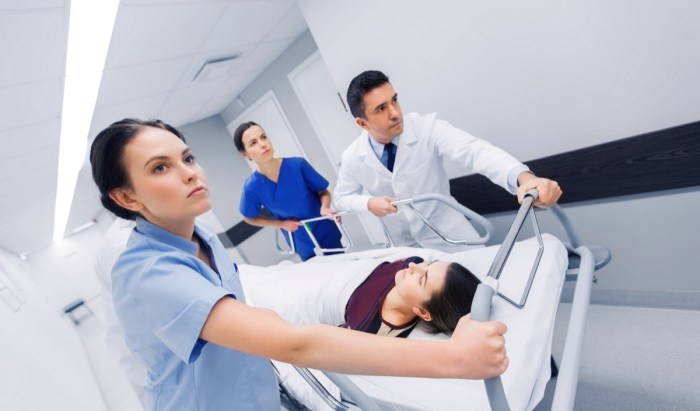
When it comes to emergency care coverage, health policies play a crucial role in determining the access and affordability of healthcare services for individuals. Different regions have specific policies in place to ensure that individuals can receive the necessary emergency care when needed.
Key Health Policies
- Emergency Medical Treatment and Labor Act (EMTALA): This federal law in the United States ensures that individuals have access to emergency medical services regardless of their ability to pay.
- Health Insurance Portability and Accountability Act (HIPAA): HIPAA regulations protect patients’ privacy and ensure the security of their health information, including during emergency situations.
- Universal Healthcare Systems: Some countries have universal healthcare systems that provide comprehensive coverage for emergency care to all residents, regardless of their financial status.
Influence on Access to Emergency Services
Health policies directly impact individuals’ access to emergency services by setting guidelines for coverage, reimbursement, and quality standards. For instance, policies that mandate insurance coverage for emergency care can increase access for individuals who might otherwise forego treatment due to financial constraints.
Impact of Policy Changes
Policy changes can have a significant impact on individuals’ ability to afford emergency healthcare. For example, changes in reimbursement rates for emergency services can affect the financial viability of healthcare providers, potentially leading to increased out-of-pocket costs for patients. It is essential to monitor policy changes closely to ensure that they do not disproportionately burden individuals seeking emergency care.
Health Records
Maintaining accurate health records is crucial in emergency situations as it provides healthcare providers with vital information about the patient’s medical history, allergies, medications, and existing conditions. This quick access to health records can significantly impact the speed and accuracy of treatment during emergencies.
Importance of Health Records in Emergencies
- Health records help healthcare providers make informed decisions about the best course of action for the patient.
- They can prevent medical errors, such as administering medications that may interact negatively with existing prescriptions.
- Having access to health records can reduce delays in treatment and potentially save lives in critical situations.
Use of Health Records in Emergencies
- Health records enable healthcare providers to quickly identify the patient, confirm their medical history, and provide appropriate care.
- They help in determining the correct dosage of medications based on the patient’s previous responses and conditions.
- Health records also aid in communicating vital information to other healthcare professionals involved in the patient’s care.
Security Measures for Health Records
- Health records are protected by strict privacy laws, such as HIPAA, to ensure patient confidentiality.
- Healthcare facilities use secure electronic systems and encryption methods to safeguard health records from unauthorized access.
- Access to health records is restricted to authorized personnel only, with unique login credentials and audit trails to track any unauthorized activities.
Health Screening
Health screening plays a crucial role in preventing emergency healthcare situations by identifying potential health issues early on. This proactive approach allows for timely interventions and preventive measures to be taken before a condition escalates to an emergency.
Types of Health Screenings
- Regular blood pressure checks: Helps in detecting hypertension early, reducing the risk of heart disease and stroke.
- Cholesterol level tests: Identifies high cholesterol levels, which can lead to heart problems if left untreated.
- Annual physical exams: Provide an overall assessment of health status and early detection of any abnormalities.
Importance of Regular Health Screenings
Regular health screenings can greatly contribute to reducing the need for emergency care by allowing healthcare providers to monitor and manage any health issues before they become critical. They help in promoting early intervention, lifestyle modifications, and appropriate treatments to maintain good health and prevent emergencies.
In conclusion, Health Insurance for Emergency Care plays a pivotal role in safeguarding individuals’ well-being during unforeseen medical situations, emphasizing the significance of preparedness and access to quality healthcare services.
Helpful Answers
What are the typical costs associated with emergency care without health insurance?
The costs can vary widely depending on the type of emergency, but they often include hospital fees, physician charges, and diagnostic tests.
How do health policies influence access to emergency services?
Health policies can dictate coverage options, network providers, and out-of-pocket costs, affecting individuals’ ability to seek and receive emergency care.
What types of health screenings can help identify health issues early?
Screenings such as blood pressure checks, cholesterol tests, and mammograms can detect underlying health problems before they escalate into emergencies.


