
Beginning with Rising Healthcare Costs and Solutions, the narrative unfolds in a compelling and distinctive manner, drawing readers into a story that promises to be both engaging and uniquely memorable.
Healthcare costs are on the rise globally, impacting individuals, communities, and healthcare providers. This article delves into the complexities of this issue and explores viable solutions to mitigate the financial burden.
Healthcare Access
Easy access to healthcare services is crucial for ensuring the well-being of individuals and communities. When people have limited access to healthcare, it can lead to delayed treatment, worsened health outcomes, and increased healthcare costs in the long run.
Initiatives to Improve Healthcare Access
- Telemedicine services that allow patients to consult with healthcare providers remotely, especially beneficial for those in rural or underserved areas.
- Mobile health clinics that bring healthcare services directly to communities that lack access to traditional healthcare facilities.
- Community health worker programs that provide education, support, and assistance to individuals in navigating the healthcare system.
Barriers to Healthcare Access and Solutions
- Lack of health insurance coverage, which prevents many individuals from seeking necessary medical care. Solutions include expanding Medicaid coverage and implementing subsidies for low-income individuals.
- Geographic barriers, such as living in remote or rural areas far from healthcare facilities. Mobile clinics and telemedicine can help bridge this gap.
- Language and cultural barriers that can make it difficult for certain populations to access healthcare services. Implementing interpreter services and culturally competent care can help improve access for diverse communities.
Rising Healthcare Costs
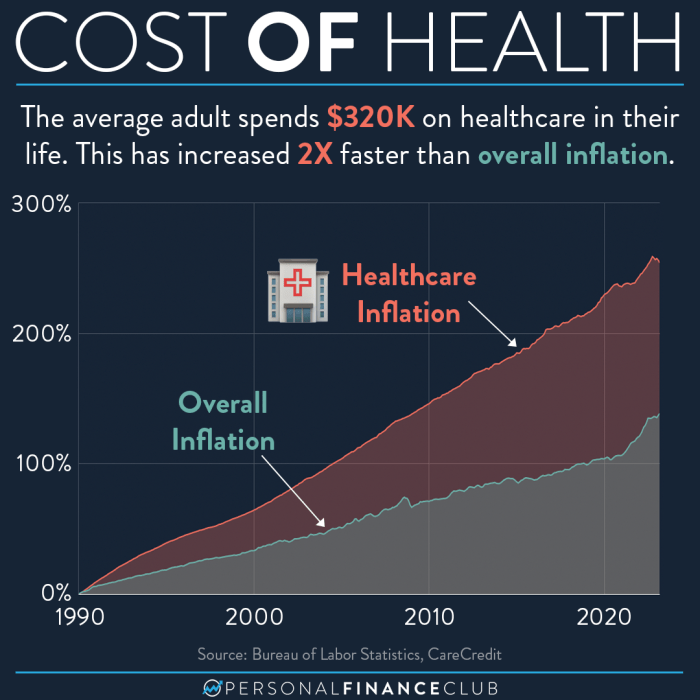
Healthcare costs have been on the rise globally, impacting patients, healthcare providers, and economies. Various factors contribute to this upward trend, including:
- Inflation in medical goods and services
- Advancements in technology and treatments
- An aging population requiring more healthcare services
- Increased administrative costs
Statistics on Rising Healthcare Expenses
According to the World Health Organization (WHO), healthcare spending has been increasing steadily over the years. In the United States alone, healthcare costs have risen by an average of 4.3% annually since 2010, reaching over $3.8 trillion in 2019.
Effects of High Healthcare Costs
The escalating healthcare expenses have significant implications for both patients and healthcare providers. Patients may delay or forgo necessary medical care due to cost concerns, leading to poorer health outcomes. On the other hand, healthcare providers face financial strain, reduced reimbursement rates, and challenges in delivering quality care.
Comparison of Healthcare Costs in Different Countries
Healthcare costs vary widely across different countries or regions, influenced by factors such as healthcare systems, government policies, and socio-economic conditions. For instance, the per capita healthcare expenditure in the United States is significantly higher than in countries with universal healthcare systems like Canada or the United Kingdom.
Healthcare Providers
Healthcare providers play a crucial role in the healthcare system by delivering medical care, treatment, and support to patients. They include doctors, nurses, pharmacists, therapists, and other professionals who work together to ensure the well-being of individuals.
Challenges Faced by Healthcare Professionals
Healthcare professionals face numerous challenges due to rising healthcare costs. These challenges include financial pressures, increased administrative burden, burnout, and limited resources. The rising costs can impact the quality of care provided and put a strain on healthcare professionals.
- Healthcare providers may struggle to afford necessary medical equipment and supplies, leading to compromised patient care.
- Increased paperwork and administrative tasks can take away valuable time that could be spent with patients, affecting overall job satisfaction.
- Financial pressures may result in healthcare professionals working longer hours or taking on additional jobs to make ends meet, leading to burnout and fatigue.
Strategies for Healthcare Providers to Cope with Financial Pressures
To cope with financial pressures caused by rising healthcare costs, healthcare providers can implement various strategies to improve efficiency and sustainability.
- Implement cost-saving measures such as bulk purchasing of supplies or negotiating better rates with vendors.
- Utilize technology to streamline administrative tasks and improve workflow, allowing more time to focus on patient care.
- Participate in value-based care models that prioritize quality outcomes over quantity of services, potentially reducing costs in the long run.
Importance of Investing in Healthcare Workforce Development
Investing in healthcare workforce development is essential to ensure a skilled and motivated workforce capable of providing high-quality care to patients.
By offering training opportunities, professional development programs, and support for career advancement, healthcare providers can attract and retain top talent in the industry.
Investing in the development of healthcare professionals not only benefits individual providers but also improves patient outcomes and overall healthcare delivery.
Health Insurance
Health insurance plays a crucial role in managing healthcare costs by providing financial coverage for medical expenses. It helps individuals access necessary healthcare services without facing significant financial burdens.
Types of Health Insurance Plans
- Health Maintenance Organization (HMO): Requires individuals to choose a primary care physician and obtain referrals for specialists.
- Preferred Provider Organization (PPO): Offers a network of preferred healthcare providers, but allows individuals to seek care outside the network at a higher cost.
- High Deductible Health Plan (HDHP): Involves lower monthly premiums but higher deductibles, often paired with a health savings account (HSA).
Impact of Inadequate Health Insurance
- Individuals without adequate health insurance may delay seeking necessary medical care due to cost concerns, leading to worsened health outcomes.
- High out-of-pocket expenses can result in financial strain and even bankruptcy for individuals facing unexpected medical emergencies.
Tips for Choosing the Right Health Insurance Plan
- Consider your healthcare needs, including prescription medications, ongoing treatments, and potential future medical expenses.
- Compare premiums, deductibles, co-pays, and coverage limits to find a plan that balances cost with comprehensive coverage.
- Review the network of healthcare providers included in the plan to ensure your preferred doctors and hospitals are covered.
- Check for additional benefits such as wellness programs, telemedicine services, and preventive care coverage to maximize the value of your insurance plan.
Health Policies
Health policies play a crucial role in shaping the healthcare landscape, particularly in controlling costs and ensuring access to quality care for all individuals. Government regulations and policies are designed to address the rising healthcare expenses and improve the overall healthcare system. Let’s explore the current healthcare policies aimed at controlling costs and analyze their effectiveness in reducing healthcare expenditures.
Current Healthcare Policies
- One of the key healthcare policies aimed at controlling costs is the implementation of value-based care models. These models focus on improving patient outcomes while reducing unnecessary costs through better coordination of care and preventive measures.
- Another important policy is the promotion of telehealth services, which have become increasingly popular, especially during the COVID-19 pandemic. Telehealth can help lower healthcare costs by reducing the need for in-person visits and providing more convenient access to care.
- Government initiatives such as the Affordable Care Act (ACA) have also played a significant role in expanding access to healthcare services and reducing overall healthcare costs for many individuals.
Role of Government Regulations
- Government regulations play a critical role in addressing rising healthcare expenses by setting standards for healthcare providers, insurers, and pharmaceutical companies. These regulations aim to promote transparency, reduce fraud and abuse, and ensure that healthcare services are delivered efficiently and cost-effectively.
- Regulations such as the implementation of price transparency requirements and the negotiation of drug prices can help control costs and make healthcare more affordable for consumers.
Policy Solutions
- An innovative policy solution to tackle the issue of escalating healthcare expenditures is the implementation of payment reform models, such as bundled payments or accountable care organizations. These models incentivize providers to deliver high-quality care at lower costs, ultimately reducing overall healthcare spending.
- Another proposed solution is to enhance collaboration between healthcare providers, payers, and policymakers to develop comprehensive strategies for cost containment and quality improvement. By working together, stakeholders can identify areas for improvement and implement targeted interventions to address cost drivers in the healthcare system.
Health Records
Electronic health records play a crucial role in managing healthcare costs by improving efficiency, accuracy, and accessibility of patient information.
Importance of Electronic Health Records
Electronic health records streamline the sharing of patient data among healthcare providers, reducing duplicate tests and procedures. This leads to cost savings for both patients and providers.
- Centralized access to patient records allows for better coordination of care, leading to improved health outcomes and reduced hospital readmissions.
- Electronic records enable quick retrieval of crucial information, such as medication allergies or pre-existing conditions, which can prevent medical errors and unnecessary treatments.
Benefits of Centralized Health Record System
A centralized health record system provides a comprehensive view of a patient’s medical history, allowing for more informed decision-making by healthcare providers.
- Patients benefit from reduced paperwork and administrative burden, as their information is easily accessible to authorized providers across different healthcare settings.
- Providers can track patient progress more effectively, leading to personalized treatment plans and better adherence to evidence-based practices.
Examples of Cost-Effective Healthcare Delivery with Health Records
Health records contribute to cost-effective healthcare delivery by improving care coordination, reducing medical errors, and enhancing preventive care strategies.
- Telemedicine consultations based on electronic health records can reduce the need for in-person visits, saving time and travel costs for patients.
- Population health management programs can identify at-risk patients through data analytics, allowing for early interventions and cost-effective preventive measures.
Challenges in Implementing and Maintaining Health Record Systems
While electronic health records offer numerous benefits, challenges exist in implementing and maintaining these systems effectively.
- Initial costs associated with transitioning to electronic records can be significant, especially for smaller healthcare practices.
- Data security and privacy concerns require robust measures to protect patient information from cyber threats and unauthorized access.
Health Screening
Regular health screenings play a crucial role in early detection and prevention of costly health conditions. By identifying potential issues before they become more serious, individuals can take proactive steps to maintain their health and reduce healthcare costs in the long run.
Barriers to Access to Health Screening Services
- Lack of awareness about the importance of health screenings
- Financial constraints for individuals without health insurance
- Limited availability of screening services in certain areas
- Cultural or language barriers that may prevent individuals from seeking screenings
Innovative Approaches to Making Health Screening More Affordable and Accessible
- Mobile health clinics that bring screening services to underserved communities
- Telemedicine options for remote consultations and screenings
- Collaborations between healthcare providers and community organizations to offer free or low-cost screenings
- Employer-sponsored wellness programs that include regular health screenings as part of employee benefits
Successful Health Screening Programs and Their Impact on Healthcare Costs
- The CDC’s Colorectal Cancer Control Program, which has led to increased screening rates and early detection of colorectal cancer, resulting in cost savings from avoided treatments
- The National Breast and Cervical Cancer Early Detection Program, which provides low-income women with access to screenings and diagnostic services, leading to early detection and reduced treatment costs
- Community health fairs and events that offer free or low-cost screenings, leading to increased awareness and early intervention for various health conditions
In conclusion, addressing rising healthcare costs is crucial for ensuring accessible and affordable healthcare for all. By implementing innovative solutions and fostering collaboration between stakeholders, we can pave the way for a more sustainable healthcare system.
Detailed FAQs
What are the main factors contributing to rising healthcare costs?
Rising healthcare costs can be attributed to factors such as technological advancements, an aging population, and increased chronic diseases.
How can individuals cope with high healthcare expenses?
Individuals can explore options such as health savings accounts, negotiating medical bills, or seeking financial assistance programs offered by healthcare providers.
What role do government regulations play in controlling healthcare costs?
Government regulations can influence pricing, reimbursement policies, and healthcare delivery models to help manage and reduce healthcare costs.


