Amidst the COVID-19 pandemic, navigating healthcare access becomes paramount. This intriguing introduction delves into the hurdles faced and the transformative solutions emerging in the healthcare landscape.
Explore the dynamic shifts shaping healthcare access during these unprecedented times.
Healthcare Access During COVID-19
During the COVID-19 pandemic, individuals have faced numerous challenges in accessing healthcare services due to various factors impacting the healthcare system.
Impact on Access to Healthcare Facilities and Services
The pandemic has led to disruptions in healthcare services, causing delays in appointments, cancellations of elective procedures, and reduced capacity in hospitals and clinics. This has made it difficult for individuals to receive timely care for both COVID-19 related issues and other health conditions.
Role of Telemedicine in Improving Healthcare Access
Telemedicine has played a crucial role in improving healthcare access during COVID-19 by enabling remote consultations between patients and healthcare providers. This technology has allowed individuals to receive medical advice, prescriptions, and monitoring of chronic conditions without the need to visit physical healthcare facilities, reducing the risk of exposure to the virus.
Healthcare Costs
During the COVID-19 pandemic, individuals face a significant financial burden when seeking healthcare services. The cost of medical treatment, testing, and hospitalization can add up quickly, putting strain on already tight budgets.
Financial Impact of COVID-19 Treatment
- COVID-19 treatment costs can vary depending on the severity of the illness and the required medical interventions. Hospitalization, intensive care, and specialized treatments can lead to substantial medical bills.
- Uninsured individuals may face even higher costs, as they are responsible for covering the full expenses of their healthcare services.
- Lost wages due to illness or quarantine can further exacerbate the financial strain on individuals seeking COVID-19 treatment.
Comparison with Regular Healthcare Expenses
- Compared to regular healthcare expenses, the cost of COVID-19 treatment can be significantly higher, especially for individuals with limited or no insurance coverage.
- Routine medical visits, prescription medications, and preventive care may be delayed or postponed due to the focus on COVID-19 treatment, leading to potential long-term health consequences.
- The financial impact of COVID-19 on individuals extends beyond medical bills to include indirect costs such as transportation, childcare, and lost productivity.
Strategies to Reduce Healthcare Costs
- Seek out community health centers or free clinics that offer low-cost or sliding scale healthcare services for individuals in need.
- Explore telehealth options for virtual consultations and remote monitoring, which can be a cost-effective alternative to in-person medical visits.
- Review insurance coverage options and eligibility for public health programs to help offset the costs of COVID-19 treatment and other healthcare services.
- Discuss payment plans or financial assistance options with healthcare providers to manage medical bills and alleviate financial stress during the pandemic.
Healthcare Providers
During the COVID-19 pandemic, healthcare providers faced numerous challenges in delivering care to patients. The rapid spread of the virus, shortage of personal protective equipment (PPE), and the need to adapt to new safety protocols posed significant obstacles.
Adaptation of Practices
Healthcare providers quickly adapted their practices to ensure patient safety during the pandemic. Some examples include implementing telemedicine services to provide remote consultations, setting up dedicated COVID-19 units to isolate infected patients, and enforcing strict infection control measures in healthcare facilities.
Importance of Supporting Healthcare Providers
Supporting healthcare providers during the pandemic is crucial for maintaining the overall well-being of the population. These frontline workers have been under immense pressure and stress, risking their health to care for those in need. Providing them with adequate resources, mental health support, and recognition for their hard work is essential in ensuring the continued delivery of quality healthcare services.
Health Insurance
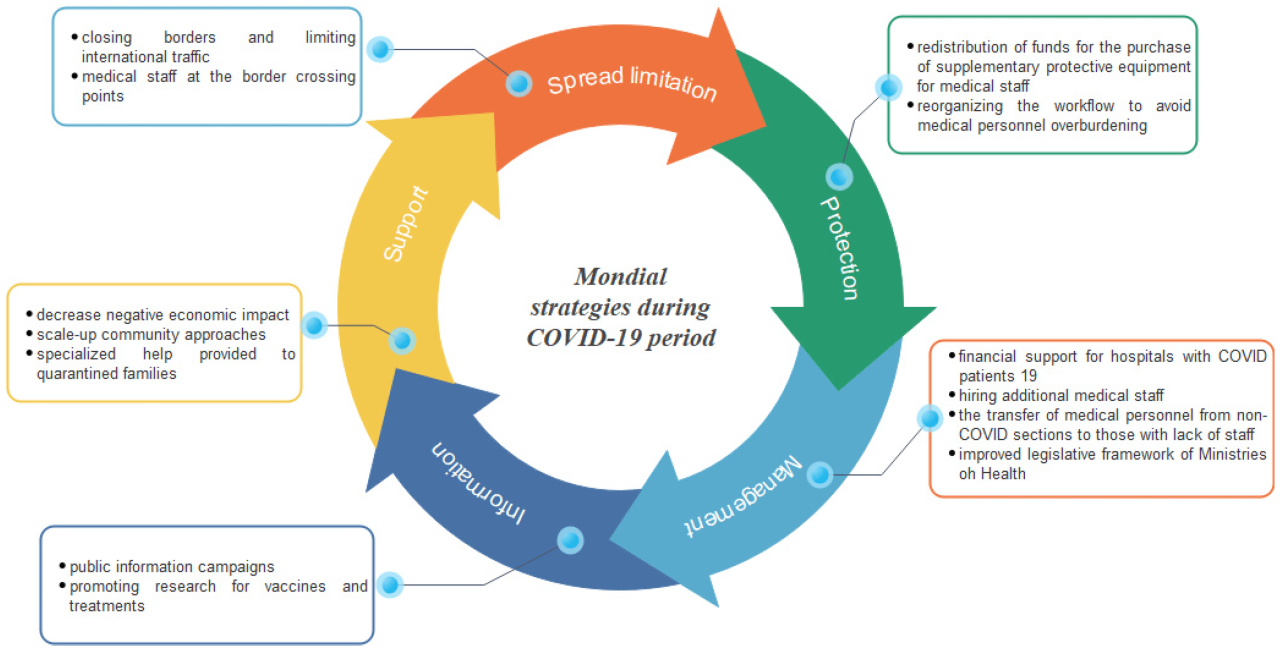
Health insurance plays a crucial role in ensuring individuals have access to necessary healthcare services, especially during the ongoing COVID-19 pandemic. The impact of COVID-19 on health insurance coverage and affordability has been significant, leading to several changes in policies to better accommodate the current healthcare landscape.
Impact of COVID-19 on Health Insurance Coverage and Affordability
- Many individuals have lost their jobs due to the pandemic, resulting in a loss of employer-sponsored health insurance coverage.
- With the rise in unemployment, more people have turned to government-sponsored health insurance programs like Medicaid for coverage.
- Health insurance premiums have also been affected, with some insurers waiving copays and deductibles for COVID-19 testing and treatment.
- Overall, the economic strain caused by the pandemic has made it challenging for some individuals to afford health insurance premiums.
Changes in Health Insurance Policies to Accommodate the Pandemic
- Telemedicine services have been expanded and covered by many health insurance plans to allow individuals to consult with healthcare providers remotely.
- Some insurers have relaxed restrictions on prescription refills and allowed for early medication refills to ensure individuals have an adequate supply of essential medications.
- Health insurance companies have also extended special enrollment periods to allow more individuals to sign up for coverage outside of the typical enrollment periods.
- Policy changes have been made to cover COVID-19 testing and treatment costs to alleviate financial burdens on individuals seeking care.
Role of Health Insurance in Ensuring Access to Healthcare Services During COVID-19
- Health insurance provides individuals with financial protection against high healthcare costs associated with COVID-19 diagnosis and treatment.
- Having health insurance encourages individuals to seek timely medical care, reducing the spread of the virus and ensuring effective management of the pandemic.
- Access to health insurance enables individuals to access a network of healthcare providers and facilities for necessary testing, treatment, and preventive care.
- Health insurance coverage plays a crucial role in promoting overall public health and well-being during the COVID-19 crisis.
Health Policies
The COVID-19 pandemic has prompted governments worldwide to implement various policy changes to address healthcare access issues. These changes aim to improve the availability of healthcare services, especially for vulnerable populations, and ensure that everyone can receive the medical attention they need during these challenging times.
Policy Changes to Improve Healthcare Access
- Telehealth Expansion: Many governments have expanded telehealth services to allow patients to consult with healthcare providers remotely, reducing the need for in-person visits and minimizing the risk of virus transmission.
- Increased Funding for Healthcare Facilities: Governments have allocated additional funding to healthcare facilities to enhance their capacity to treat COVID-19 patients and maintain essential services for other medical conditions.
- Prioritizing Vaccination Programs: Policies have been implemented to prioritize vaccination programs, ensuring that vulnerable populations have access to COVID-19 vaccines to protect them from the virus.
Effectiveness of Government Policies
- The implementation of these policies has proven effective in improving healthcare access for vulnerable populations by providing easier and safer ways to receive medical care.
- Telehealth services have enabled individuals, especially those in remote areas or with limited mobility, to access healthcare professionals without the need for travel.
- Increased funding has helped healthcare facilities cope with the surge in patients and maintain a high standard of care despite the challenges posed by the pandemic.
Long-term Implications of Health Policies
- The policies implemented during the pandemic are likely to have long-term implications on healthcare access post-COVID-19.
- Telehealth services may continue to be utilized as a convenient and efficient way for patients to consult with healthcare providers, even after the pandemic subsides.
- Increased funding for healthcare facilities could lead to improved infrastructure and resources, benefiting the overall healthcare system in the long run.
Health Records
In the realm of healthcare, electronic health records play a crucial role in ensuring the continuity of care, especially during the challenging times of the COVID-19 pandemic. These digital records contain essential information about a patient’s medical history, treatments, medications, and test results, enabling healthcare providers to deliver effective and personalized care.
Challenges in Accessing and Sharing Health Records Remotely
- Security Concerns: Transmitting health records over the internet raises security risks, such as data breaches and unauthorized access.
- Interoperability Issues: Different healthcare systems may use incompatible formats for electronic health records, making it difficult to share information seamlessly.
- Technological Barriers: Not all patients have access to the necessary technology or internet connectivity to retrieve their health records remotely.
Role of Technology in Securely Managing Health Records for Telehealth Appointments
- Encryption: Utilizing encryption techniques can safeguard health records during transmission and storage, ensuring data privacy and confidentiality.
- Two-Factor Authentication: Implementing two-factor authentication adds an extra layer of security to prevent unauthorized access to sensitive health information.
- Virtual Private Networks (VPNs): VPNs create secure connections for sharing health records over the internet, protecting data from potential cyber threats.
Health Screening
Routine health screenings and preventive care have been significantly impacted by the COVID-19 pandemic. Many individuals have postponed or cancelled their appointments due to fears of exposure to the virus, leading to a decline in preventive healthcare services. This delay in screenings can have serious consequences on early detection and treatment of various health conditions.
Innovative Solutions for Health Screenings During the Pandemic
- Telehealth appointments: Healthcare providers have shifted towards virtual consultations to conduct initial screenings and assessments remotely.
- Drive-through screenings: Some facilities have implemented drive-through health screenings to minimize contact and exposure while still allowing individuals to receive necessary tests.
- Home testing kits: Patients are now able to perform certain health screenings at home and send samples to labs for analysis, reducing the need for in-person visits.
Importance of Regular Health Screenings
Regular health screenings play a crucial role in maintaining overall health, especially during the COVID-19 pandemic. These screenings can help detect health issues early on, allowing for prompt intervention and treatment. By staying up to date on screenings, individuals can better manage their health and reduce the risk of complications from undiagnosed conditions.
In conclusion, the journey through the realm of healthcare access during COVID-19 unveils a tapestry of resilience and adaptation. Witness the evolving landscape and the promising future it holds.
FAQ Guide
How has telemedicine impacted healthcare access during COVID-19?
Telemedicine has played a crucial role in providing remote healthcare services, ensuring access for patients during the pandemic.
What are some strategies to reduce healthcare costs for patients during COVID-19?
Some strategies include utilizing telehealth services, exploring insurance coverage options, and seeking out community health resources.
How have healthcare providers adapted their practices to ensure patient safety during COVID-19?
Healthcare providers have implemented measures such as telehealth consultations, stringent hygiene protocols, and PPE usage to safeguard patients.


