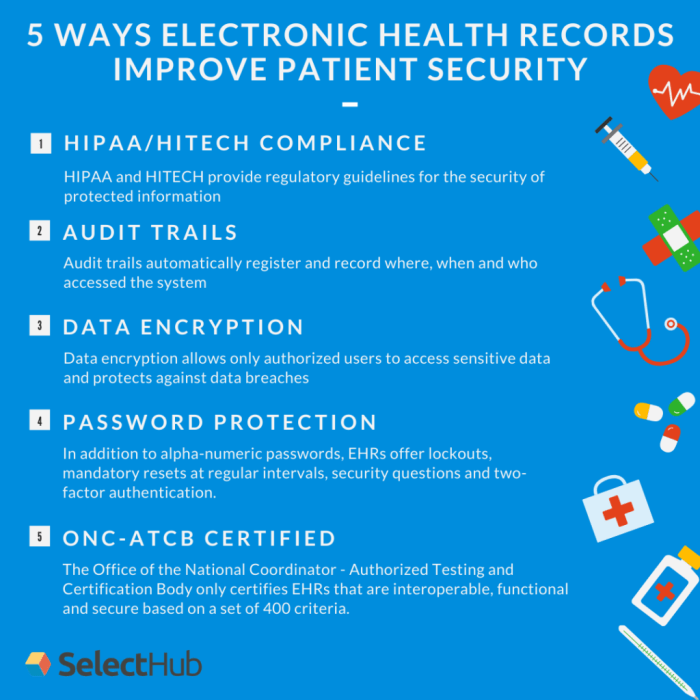
Embark on a journey into the realm of Health Records Privacy and Security, where the protection of confidential medical data is paramount. This topic delves into the critical aspects of safeguarding sensitive information in the healthcare sector, shedding light on the importance of stringent privacy measures and robust security protocols.
Health Records Privacy and Security
Health records contain sensitive and personal information about an individual’s medical history, treatments, and health conditions. Maintaining the privacy and security of these records is crucial to protect patients’ confidentiality and trust in the healthcare system.
Importance of Maintaining Privacy in Health Records
Ensuring privacy in health records is essential to safeguard patients’ personal information from unauthorized access. Unauthorized disclosure of health records can lead to various negative consequences, such as identity theft, discrimination, and blackmail. It can also erode patients’ trust in healthcare providers and compromise the overall quality of care.
Risks Associated with Unauthorized Access to Health Records
- Theft of sensitive information, leading to identity theft or financial fraud.
- Potential misuse of personal health data for discriminatory purposes.
- Exposure of confidential medical conditions, leading to stigma and embarrassment.
Role of Encryption in Securing Health Records
Encryption plays a crucial role in protecting health records from unauthorized access by converting sensitive data into a coded format that can only be deciphered with the appropriate decryption key. By implementing encryption technologies, healthcare organizations can ensure that patient information remains confidential and secure, even in the event of a data breach.
Healthcare Access
Health records privacy plays a crucial role in shaping access to healthcare services for individuals. When patient data is securely protected, it can lead to improved trust between patients and healthcare providers, ultimately resulting in better access to quality care.
Impact of Health Records Privacy on Healthcare Access
- Protected health information ensures that patients feel comfortable sharing sensitive details with their healthcare providers, leading to accurate diagnoses and personalized treatment plans.
- Enhanced privacy measures can encourage individuals to seek medical help without fear of their information being compromised, thereby increasing overall healthcare access.
- Secure health records promote continuity of care by allowing different healthcare professionals to access necessary information, ensuring seamless transitions between providers and settings.
Challenges in Accessing Healthcare with and Without Secure Health Records
- Without secure health records, individuals may withhold critical information due to privacy concerns, leading to incorrect diagnoses and inadequate treatment.
- Inadequate privacy measures can result in data breaches, exposing patients to identity theft and other risks, ultimately hindering their willingness to seek healthcare services.
- Accessing healthcare without secure health records can lead to fragmented care, where vital information is not communicated effectively between healthcare providers, impacting the quality of treatment.
Examples of How Improved Privacy Measures Enhance Healthcare Access
- Implementing encryption technologies to protect health records can instill confidence in patients regarding the security of their data, encouraging them to actively engage in their healthcare.
- Utilizing secure online portals for patients to access their health information can empower individuals to take control of their health management, promoting proactive healthcare seeking behaviors.
- Establishing clear policies and procedures for handling and sharing health data can foster a culture of transparency and accountability, further building trust between patients and healthcare providers.
Healthcare Costs
Healthcare costs are a significant concern for individuals and the healthcare system as a whole. The relationship between health records security and healthcare costs is crucial, as breaches in privacy can have a direct impact on expenses.
Impact of Breaches on Healthcare Costs
When there are breaches in health records security, it can lead to various costly consequences. For instance, identity theft resulting from compromised health information can lead to fraudulent medical claims, ultimately increasing healthcare expenses for both individuals and healthcare providers.
Additionally, the cost of investigating and resolving breaches, implementing security measures, and potential legal actions can further escalate healthcare costs.
Strategies for Reducing Healthcare Costs
- Implementing robust security measures: By investing in secure systems and encryption technologies, healthcare organizations can prevent unauthorized access to sensitive health records, reducing the risk of breaches and associated costs.
- Training staff on privacy practices: Educating healthcare professionals on the importance of safeguarding patient information and ensuring compliance with privacy regulations can help reduce the likelihood of breaches and mitigate potential expenses.
- Regular security audits: Conducting routine assessments of security protocols and systems can help identify vulnerabilities and address them proactively, reducing the risk of breaches and the resulting financial impact.
- Enhancing patient education: Empowering patients to actively participate in protecting their health information, such as by safeguarding login credentials and reporting suspicious activities, can contribute to better overall security and lower healthcare costs.
Healthcare Providers
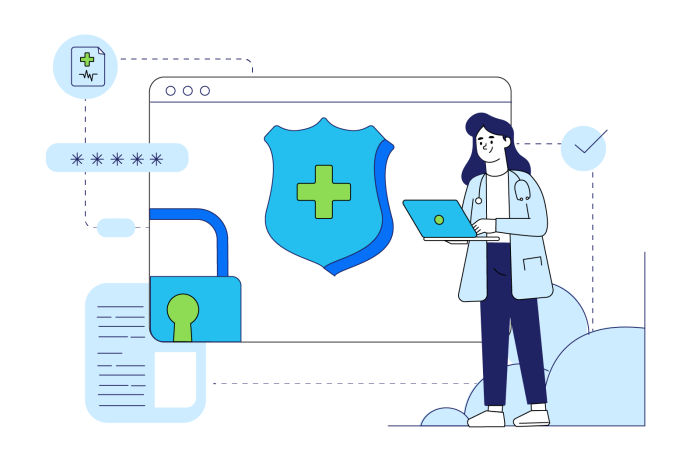
In the realm of safeguarding patient health records, healthcare providers play a crucial role in upholding privacy and security standards to protect sensitive information.
Responsibility of Healthcare Providers
Healthcare providers are responsible for ensuring the confidentiality and integrity of patient health records. This includes implementing strict access controls, encryption methods, and regular audits to prevent unauthorized access or breaches.
Training for Healthcare Professionals
Healthcare professionals should undergo comprehensive training on data privacy laws, security protocols, and best practices for handling patient information. This training should cover topics such as proper data storage, secure communication methods, and incident response procedures.
Best Practices for Data Security
- Implementing robust access controls to limit data access to authorized personnel only.
- Encrypting sensitive information both at rest and in transit to prevent unauthorized interception.
- Regularly updating software systems and security patches to address vulnerabilities and mitigate risks.
- Conducting routine security audits and risk assessments to identify potential weaknesses and areas for improvement.
- Establishing clear policies and procedures for handling and disposing of patient records in a secure manner.
Health Insurance
Health records privacy plays a crucial role in the health insurance industry, impacting how insurers protect patient data and determine accurate coverage for individuals.
Impact on Insurance Industry
- Health records privacy ensures that sensitive information about an individual’s medical history, treatments, and conditions remains confidential.
- Insurers rely on accurate health data to assess risk, determine premiums, and provide appropriate coverage to policyholders.
- Unauthorized access to health records can lead to potential breaches, resulting in fraud, identity theft, and inaccurate insurance claims.
Role of Insurers in Data Protection
- Insurers are responsible for implementing robust security measures to safeguard patient data, including encryption, access controls, and regular audits.
- Compliance with regulations such as HIPAA ensures that insurers maintain the confidentiality and integrity of health records.
- Educating employees on the importance of data privacy and conducting training programs can help prevent data breaches within insurance companies.
Benefits of Secure Health Records for Insurance Coverage
- Secure health records enable insurers to make more informed decisions when assessing risk and determining coverage, leading to more accurate underwriting.
- Accurate health information can help prevent fraudulent claims and ensure that policyholders receive the necessary benefits based on their medical history.
- By prioritizing data security and privacy, insurers can enhance trust with customers and strengthen their reputation in the insurance market.
Health Policies
Health policies play a crucial role in shaping the landscape of health records privacy and security. These regulatory measures are designed to protect patient information and ensure that healthcare providers adhere to strict guidelines to safeguard sensitive data.
Impact of Regulatory Policies
- Regulatory policies help establish standards and protocols for the collection, storage, and sharing of health records.
- These policies ensure that patient information is kept confidential and only accessed by authorized individuals.
- Non-compliance with these regulations can result in penalties and legal consequences for healthcare organizations.
Role of Government Regulations
- Government regulations play a key role in overseeing the implementation of health policies related to data privacy and security.
- They provide a framework for healthcare providers to follow in order to maintain the integrity and confidentiality of patient records.
- Government oversight helps build trust among patients and ensures that their personal information is protected from unauthorized access or breaches.
Examples of Countries with Strong Health Policies
- Canada: The Personal Information Protection and Electronic Documents Act (PIPEDA) sets out rules for the collection, use, and disclosure of personal information, including health records.
- European Union: The General Data Protection Regulation (GDPR) imposes strict requirements on how personal data, including health information, is processed and protected.
- Australia: The Privacy Act includes specific provisions for the handling of health information by healthcare providers to ensure patient privacy and security.
Health Screening
Privacy concerns play a significant role in influencing the process of health screening. When individuals are confident that their health records are secure and protected, they are more likely to share relevant information with healthcare providers during screenings, leading to better health outcomes.
Benefits of Secure Health Records in Promoting Regular Health Screenings
- Improved Accuracy: Secure health records ensure that all relevant information is available to healthcare providers during screenings, leading to more accurate assessments of individuals’ health status.
- Early Detection: Access to secure health records allows healthcare providers to identify potential health issues early on, enabling timely interventions and treatment.
- Promotion of Preventive Care: Regular health screenings facilitated by secure health records encourage individuals to engage in preventive care measures, reducing the risk of developing serious health conditions.
Privacy Concerns Impacting Individuals’ Willingness to Undergo Health Screenings
- Fear of Data Breaches: Individuals may be hesitant to undergo health screenings if they are concerned about the possibility of their sensitive health information being compromised in a data breach.
- Lack of Trust: Privacy concerns regarding health records may lead to a lack of trust in healthcare providers and the healthcare system as a whole, deterring individuals from participating in screenings.
- Stigma and Discrimination: Privacy concerns related to health records may also stem from fears of stigma or discrimination based on the information revealed during screenings, leading individuals to avoid seeking necessary healthcare services.
In conclusion, ensuring the privacy and security of health records is not just a legal requirement but a fundamental necessity in safeguarding patient confidentiality and maintaining trust in the healthcare system. By implementing robust encryption methods and adhering to best practices, healthcare providers can cultivate a culture of data security that benefits both patients and industry stakeholders alike.
Commonly Asked Questions
How does encryption contribute to securing health records?
Encryption plays a vital role in protecting health records by encoding sensitive data to prevent unauthorized access.
What are the consequences of breaches in health records privacy?
Breaches in privacy can lead to increased healthcare costs, compromised patient trust, and legal repercussions for healthcare providers.
How do improved privacy measures enhance access to healthcare services?
Enhanced privacy measures can streamline access to healthcare services by ensuring that patients feel confident in sharing their medical information without fear of unauthorized disclosure.


